From Base to Surface: Uncovering Full-Service Concrete Offerings
Concrete work is essential in the construction industry, offering both strength and versatility. From building sturdy bases to implementing ornamental finishes, these services cater to a variety of needs. Grasping the benefits and available options is critical for reaching sound conclusions. As projects evolve, the choice of materials and techniques can greatly influence both function and aesthetics. What criteria should be evaluated when choosing a service provider, and how can upkeep prolong the lifespan of these structures?
Understanding the Key Benefits of Concrete Services
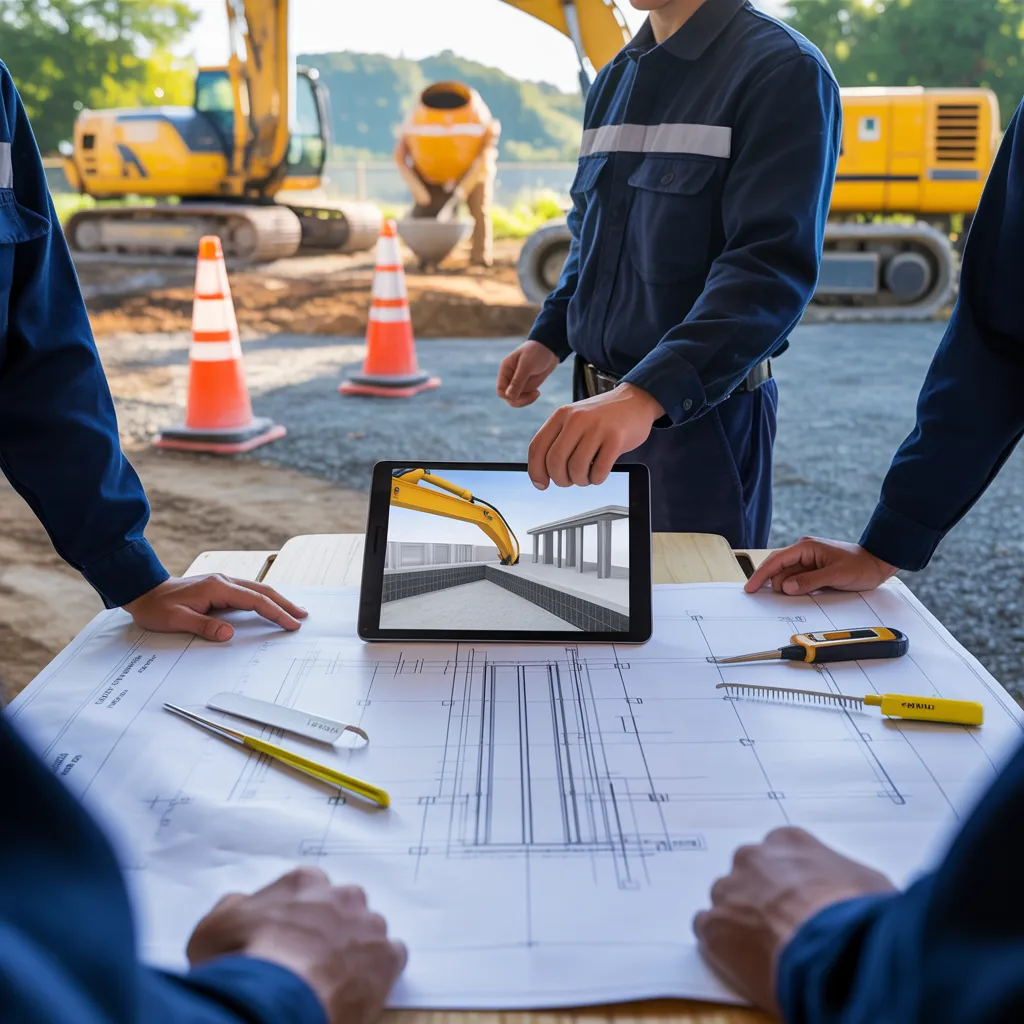
Why are concrete services vital for construction projects? Concrete services deliver a core element that is critical to the structural strength and durability of any structure. They provide flexibility, enabling a wide variety of applications from flooring to walls, ensuring that each project can satisfy particular design and functional needs. The durability of concrete, resistant to weather and wear, contributes to reduced maintenance costs over time, making it a cost-effective solution. Additionally, concrete services can enhance energy efficiency through thermal mass, which helps regulate building temperatures. These services further advance sustainability goals by incorporating recyclable materials and minimizing waste. Beyond that, qualified concrete experts make certain that projects conform to safety standards and building codes, decreasing potential dangers. Overall, the benefits of concrete services extend beyond aesthetics; they play an essential role in optimizing performance, safety, and sustainability in construction.
Vital Concrete Work for Strong Base Structures
In the domain of concrete services, knowing the different kinds of concrete foundations is vital for any construction project. Adequate reinforcement is instrumental in ensuring durability and stability, while reliable approaches to foundation repair can increase the longevity of structures. These critical services establish the groundwork for strong, sturdy foundations.
Concrete Foundation Types
Concrete foundations fulfill a fundamental role in the stability and longevity of any structure, as they deliver the essential support for the complete structure. Several primary types of concrete foundations exist, each suited to different soil conditions and structural needs. The most frequently used types include slab foundations, which consist of a single, solid layer of concrete; crawl space foundations, which raise structures off the ground; and basement foundations, which provide additional living space and storage. Each type has unique advantages, such as simplified construction, affordability, or improved insulation. Comprehending these differences is essential for choosing the right foundation that matches the particular demands of the project, ensuring a solid base for any construction endeavor.
Value Of Adequate Reinforcement
Reinforcement functions as a crucial factor in securing the strength and durability of foundation structures. Appropriate reinforcement strategies, such as the use of steel rebar or fibrous materials, improve the overall structural soundness by supplying tensile strength that unreinforced concrete is unable to offer. This integration significantly minimizes the likelihood of cracking and foundation failure under various loads and environmental conditions. Moreover, adequate reinforcement allows for better distribution of stress throughout the foundation, contributing to longevity and performance. Structural engineers need to assess elements including soil conditions and load requirements when designing reinforcement plans. By prioritizing proper reinforcement, property owners can secure their assets and confirm the foundations have the capability to withstand the demands of time, effectively supporting the overall structure.
Methods For Foundation Repair
Foundation repair methods serve a critical purpose in maintaining the integrity of structures, especially when problems stem from insufficient reinforcement or environmental conditions. Widely practiced techniques consist of underpinning, which strengthens the foundation by extending it deeper into stable soil, and slab jacking, wherein a compound is injected below concrete slabs to elevate and even them out. A further approach utilizes helical piers, which are positioned to offer reinforcement in compromised soil environments. Furthermore, wall anchors are capable of steadying bowed walls by reallocating structural pressures. Every technique is customized to address particular concerns, guaranteeing successful restoration and extending the longevity of the building. Proper assessment by professionals is essential to determine the most appropriate technique for successful foundation repair.
Creative Concrete Solutions for Outdoor Spaces
Concrete has the ability to transform outdoor spaces via creative patio concepts and durable walkway options. Such innovative approaches not only elevate the overall appearance but also ensure durability and practicality. By exploring a range of styles and options, residents can establish a customized exterior space that satisfies their unique requirements.
Creative Patio Concepts
Since outdoor spaces commonly act as extensions of indoor living areas, modern patio designs enhance these spaces into practical and beautifully crafted retreats. Contemporary patios utilize creative concrete solutions, blending texture, color, and form to enhance outdoor experiences. Stamped and stained concrete selections offer one-of-a-kind patterns that imitate natural stone or wood, delivering flexibility without sacrificing durability. Integrating multi-level designs can establish separate zones for dining, relaxing, and entertainment, making the most of the available space. Furthermore, incorporating planters and seating into the design cultivates a harmonious connection between nature and architecture. Utilizing decorative borders and inlays further distinguishes the space, rendering each patio a true expression of the homeowner's taste. Altogether, these developments turn patios into charming outdoor havens.
Long-Lasting Walkway Solutions
How can homeowners ensure their walkways are both useful and attractive? Picking sturdy materials makes all the difference. Concrete proves to be an excellent option due to its strength and versatility. Options such as stamped concrete allow for creative designs, replicating the look of natural stone or brick, while providing outstanding resistance to weather and foot traffic. Furthermore, homeowners can explore adding decorative aggregates for added texture and visual interest. For those seeking eco-friendly solutions, permeable concrete allows for water drainage, reducing puddling and erosion. Furthermore, incorporating well-placed lighting can boost both security and visual appeal at night. By strategically bringing together these components, homeowners can design walkways that not only stand up to years of use but also elevate the overall charm of their outdoor spaces.
Creative Methods in Decorative Concrete Finishes
Converting everyday surfaces into breathtaking works of art, innovative techniques in decorative concrete finishes have gained popularity among architects and designers. These methods enhance aesthetic appeal while providing durability and functionality. Methods such as stamping, staining, and engraving offer an extensive variety of textures and colors, simulating materials like stone or wood without the corresponding maintenance costs.
Stenciling provides intricate designs, allowing personalized patterns that can transform any area. Furthermore, the use of exposed aggregate showcases distinctive stone arrangements, contributing a natural aesthetic to surfaces.
Latest developments, highlighted by the introduction of eco-friendly pigments and sealers, have additionally enhanced the environmental responsibility of ornamental concrete surfaces. By incorporating advanced technology, professionals can attain vibrant colors and long-lasting results.
Critical Elements to Assess When Picking a Concrete Service Provider
When selecting a concrete contractor, what key factors should be evaluated to ensure a positive outcome? To begin, assessing the contractor's experience and skill in particular concrete services is crucial; this confirms they possess the skills necessary for the job. Furthermore, reviewing their portfolio can offer insights into previous projects and workmanship quality.
Furthermore, collecting references and exploring customer testimonials can assist in assessing consistency and overall satisfaction. It is equally essential to verify licensing and insurance, as this defends against unforeseen liabilities.
Pricing details must be transparent and competitive, enabling evaluation against other providers. Additionally, understanding the materials and techniques employed can indicate the provider's focus on high standards. To conclude, effective communication and responsiveness are essential, as they encourage teamwork and verify that objectives are achieved. All things considered, careful evaluation of these key elements can result in selecting a competent provider of concrete services.
How to Select the Best Concrete Contractor
Choosing the right concrete contractor can substantially influence the result of a job. To make an informed choice, individuals should start by assessing the contractor's experience and specialization. It is essential to confirm that the contractor has a established record in managing similar projects, guaranteeing they have the necessary qualifications and skills.
Additionally, those seeking services should seek recommendations and read online reviews to residential & commercial Concrete evaluate client experiences. Verifying proper licensing and insurance coverage is critical to guard against legal and financial risks. Moreover, requesting several estimates can aid in determining fair market prices and recognizing potential concerns, such as remarkably low price quotes.
Finally, strong communication plays a vital role. A contractor who attentively addresses project requirements and offers transparent scheduling shows a commitment to quality service. By thoroughly considering these aspects, project owners can select a concrete contractor who suits their unique project demands, ultimately ensuring a successful outcome.
How to Properly Maintain and Care for Your Concrete Installations
Upon hiring a skilled concrete specialist, caring for and preserving concrete structures is crucial to guarantee their durability and performance. Consistent maintenance is important; contaminants and marks need to be eliminated immediately to avoid surface damage. A gentle pressure wash can successfully remove filth and residue without harming the surface.
Waterproofing concrete surfaces periodically is critical to prevent moisture infiltration and staining. This improves both the aesthetic appeal and long-term durability. During winter months, the application of de-icing agents must be prevented, as they can result in cracks and surface flaking.
Cracks must be treated right away with appropriate repair materials to avoid additional damage. Moreover, excessive weight should be controlled to prevent unnecessary strain on the concrete. By following these upkeep guidelines, homeowners can ensure that their concrete structures stay durable and visually appealing for the long term.
Popular Questions We Receive
What Environmental Impacts Do Concrete Services Have?
Concrete services greatly impact the environment through substantial carbon release in the production process, the exhaustion of essential resources, and the disruption of natural habitats. Additionally, inadequate waste management leads to land contamination, while resource-heavy procedures intensify climate change and drain essential natural reserves.
How Long Does Concrete Typically Last Before Needing Repairs?
Concrete typically lasts three to four decades before needing repairs, based on factors including surrounding conditions, construction materials, and maintenance routines. Scheduled inspections can maximize its longevity and detect concerns at an early stage.
Can Concrete Be Repurposed After Its Useful Life?
That's correct, concrete is able to be recycled after its useful life. It is often ground up and utilized as aggregate in new concrete or incorporated in various construction projects, thereby minimizing waste and preserving environmental resources.
What Safety Precautions Should Be Followed During Concrete Installation?
During concrete installation, laborers are required to wear personal protective equipment, ensure adequate ventilation, control noise and dust levels, establish a secured work area, adhere to equipment safety guidelines, and keep communication clear and open to reduce accidents and maintain a safe environment.
In What Ways Do Weather Conditions Influence Concrete Curing Times?
Atmospheric conditions have a major impact on concrete curing times. High temperatures accelerate evaporation, while cold temperatures may slow down the hardening process. Moisture levels in the air are also a contributing factor, with excessive moisture potentially leading to surface issues, affecting the overall durability of the concrete.